```php Types of Home Pools in Japan - Complete Guide

Types of Home Pools in Japan

Discover the perfect pool design for your property and lifestyle

Choosing the Right Pool Type: The ideal pool for your property depends on available space, budget, climate conditions, intended usage, and personal preferences. This guide explores the most popular pool types in Japanese residential settings.

Pool Types Comparison

Pool Type Typical Size Best Location Season Usage Complexity
Outdoor Pool 30-100+ m² Ground level garden Primarily summer Moderate
Indoor Pool 20-60 m² Dedicated room/addition Year-round High
Rooftop Pool 15-40 m² Building rooftop Spring-autumn Very high
Natural Pool 40-120+ m² Garden with landscaping Spring-autumn High
Lap Pool 20-50 m² Narrow spaces Depends on covering Moderate

Outdoor Pools

Outdoor Pool

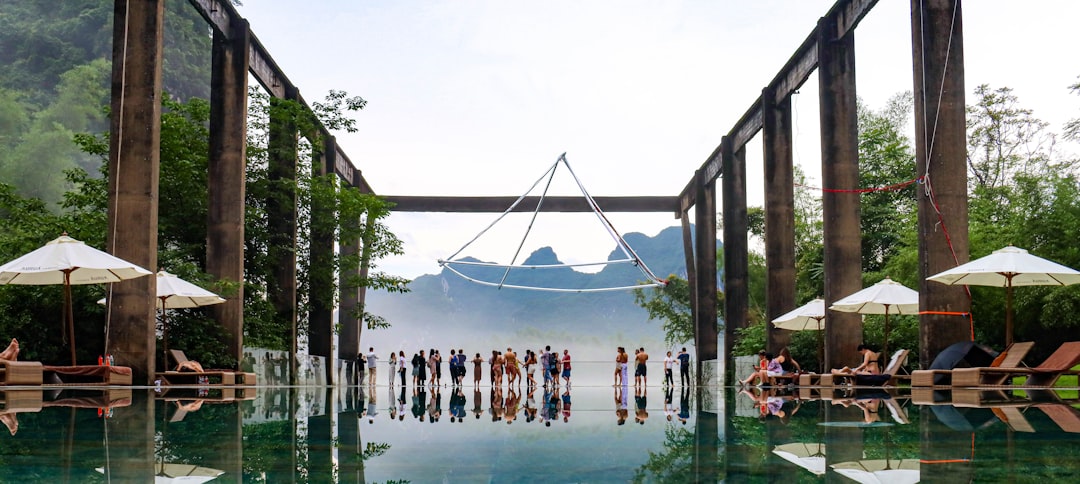
Outdoor pools are the most traditional and popular choice for Japanese homes with adequate garden space. They offer direct connection to nature and create a resort-like atmosphere in residential settings.

Key Characteristics

Outdoor pools in Japan are typically designed to integrate harmoniously with garden landscapes, often featuring natural stone surrounds, wooden decking, and strategic plantings that provide privacy and aesthetic appeal.

Size Flexibility

Can accommodate various sizes from compact plunge pools to extensive swimming areas

Design Options

Rectangular, freeform, infinity edge, or geometric configurations

Landscaping Integration

Seamless connection with gardens, terraces, and outdoor living spaces

Natural Lighting

Maximizes natural sunlight for warmth and ambiance

Design Considerations for Japan

  • Seasonal Use: Most outdoor pools in Japan are used primarily from May to September due to climate
  • Heating Options: Solar heating systems popular for extending swimming season
  • Covering Systems: Automated covers protect against debris and retain heat
  • Drainage: Proper drainage crucial during rainy season and typhoons
  • Privacy: Strategic fencing and landscaping ensure privacy from neighbors

Advantages

  • Lower construction costs compared to indoor alternatives
  • Natural ventilation eliminates humidity issues
  • Open-air swimming experience with sun exposure
  • Easier maintenance access from all sides
  • Greater design flexibility and size options
  • Potential for landscaping and outdoor entertainment areas

Considerations

  • Limited usage during cooler months
  • Requires winterization in colder regions
  • More vulnerable to weather and debris
  • Higher evaporation rates increase water costs
  • Privacy concerns in densely populated areas
  • Regular cleaning needed due to environmental exposure

Ideal For

Outdoor pools are best suited for properties with adequate garden space, homeowners who primarily swim during warmer months, families seeking recreational swimming areas, and those who value outdoor living and entertainment spaces.
Indoor Pools

Indoor Pool

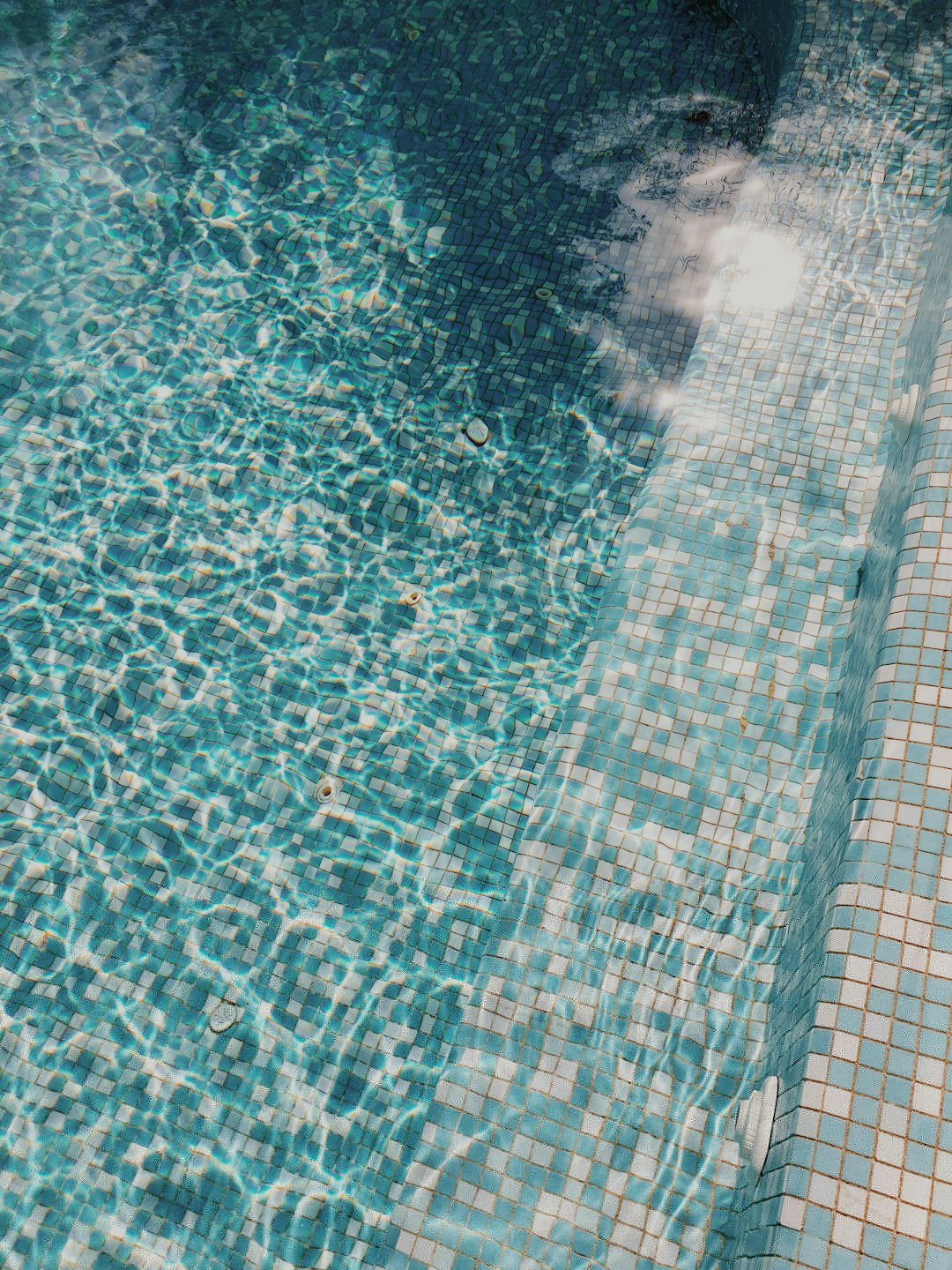
Indoor pools provide year-round swimming opportunities regardless of weather conditions, offering a luxury amenity that significantly enhances property value and living quality.

Key Characteristics

Indoor pools in Japan are engineered spaces that require comprehensive climate control, ventilation systems, and moisture management to maintain comfort and protect building integrity.

Year-Round Use

Swimming availability regardless of season or weather

Protected Environment

Complete protection from weather elements and debris

Privacy

Complete privacy for swimming and relaxation

Climate Control

Controlled temperature and humidity for optimal comfort

Technical Requirements

  • Ventilation Systems: High-capacity dehumidification to prevent moisture damage and maintain air quality
  • Waterproofing: Comprehensive waterproofing of all surfaces to protect structural elements
  • Heating: Efficient water and air heating systems for comfortable year-round use
  • Lighting: Well-designed artificial lighting to compensate for limited natural light
  • Materials: Moisture-resistant materials for walls, ceilings, and finishes
  • Structural Support: Reinforced foundations to support water weight and equipment

Advantages

  • Swimming available 365 days per year
  • Protected from weather, UV rays, and debris
  • Lower water evaporation reduces operational costs
  • Complete privacy for users
  • Reduced chemical usage due to no sun exposure
  • Can be integrated with spa and wellness facilities
  • Adds significant value to luxury properties

Considerations

  • Significantly higher construction costs
  • Requires sophisticated HVAC systems
  • Higher ongoing energy costs for climate control
  • Requires dedicated indoor space
  • More complex maintenance requirements
  • Potential humidity issues if ventilation inadequate
  • Limited natural light unless designed with windows

Ideal For

Indoor pools are perfect for serious swimmers, fitness enthusiasts, luxury properties, homeowners in regions with harsh winters or extreme summers, and those seeking private wellness facilities.
Rooftop Pools

Rooftop Pool

Rooftop pools represent the ultimate luxury in urban Japanese properties, offering spectacular views while maximizing limited ground-level space in dense city environments.

Key Characteristics

Rooftop pools require exceptional engineering to address structural load requirements, waterproofing challenges, and exposure to wind and weather at elevated heights.

Panoramic Views

Unobstructed city or landscape vistas while swimming

Space Optimization

Utilizes otherwise unused rooftop area

Privacy

Elevated position provides natural privacy

Prestige

Ultimate luxury amenity for urban properties

Engineering Requirements

  • Structural Analysis: Comprehensive load calculations for water weight, equipment, and occupancy
  • Seismic Design: Special considerations for earthquake resistance at elevated heights
  • Waterproofing: Multiple layers of waterproofing to protect building below
  • Drainage Systems: Efficient drainage to handle overflow and heavy rain
  • Wind Resistance: Design elements to protect swimmers from wind exposure
  • Access: Safe and convenient access routes from living areas
  • Equipment Housing: Dedicated space for filtration and heating systems

Advantages

  • Spectacular views and unique swimming experience
  • Maximizes use of urban property space
  • Natural privacy from elevation
  • Prestigious amenity increasing property value
  • Abundant natural sunlight
  • Creates resort-like atmosphere in city setting
  • Excellent for entertaining and relaxation

Considerations

  • Highest construction costs due to engineering complexity
  • Significant structural reinforcement required
  • Complex permit and approval process
  • Wind exposure can be challenging
  • Limited size due to weight constraints
  • More difficult equipment access for maintenance
  • Winterization required in cold climates

Ideal For

Rooftop pools suit luxury urban properties, high-rise residences, properties with limited ground space, and homeowners seeking an extraordinary architectural statement and entertainment venue.

Natural Pools

Natural Pool

Natural pools, also called swimming ponds or bio-pools, use biological filtration and aquatic plants instead of chemicals to maintain water quality, creating eco-friendly swimming environments that blend with nature.

Key Characteristics

Natural pools consist of two zones: a swimming area and a regeneration zone with plants and microorganisms that naturally filter and purify the water, eliminating the need for chemical treatments.

Chemical-Free

Natural biological filtration eliminates chlorine and chemicals

Natural Aesthetics

Resembles natural pond with plants and soft edges

Eco-Friendly

Supports local ecosystem and biodiversity

Gentle on Skin

No chemical irritation for sensitive skin

Design Components

  • Swimming Zone: Clear water area for swimming, typically 50-60% of total area
  • Regeneration Zone: Planted area with aquatic vegetation that filters water
  • Circulation: Gentle water movement through both zones via pumps
  • Substrate: Gravel or sand layers that support beneficial bacteria
  • Plants: Carefully selected aquatic plants for filtration and aesthetics
  • Skimmer: Surface cleaning to remove debris before it sinks

Advantages

  • No chemicals - better for health and environment
  • Creates beautiful natural landscape feature
  • Supports wildlife and biodiversity
  • Lower operating costs (no chemicals to buy)
  • Gentle on eyes, skin, and hair
  • Year-round visual appeal as landscape element
  • Unique and distinctive property feature

Considerations

  • Requires larger overall area (including plant zone)
  • More complex initial design and construction
  • Establishment period needed for biological balance
  • Different maintenance knowledge required
  • Water not as crystal clear as chlorinated pools
  • Plant maintenance and seasonal care needed
  • Less common in Japan, fewer experienced builders

Ideal For

Natural pools appeal to environmentally conscious homeowners, those with chemical sensitivities, nature lovers, properties with space for landscaping, and families seeking a unique connection between swimming and nature.

Lap Pools

Lap Pool

Lap pools are long, narrow pools designed specifically for fitness swimming and exercise. Their streamlined design makes them ideal for properties with limited width but sufficient length.

Key Characteristics

Typically 20-25 meters long and 2.5-4 meters wide, lap pools prioritize functionality over recreational swimming, offering serious swimmers dedicated training space in compact footprints.

Fitness Focus

Optimized for swimming laps and exercise

Space Efficient

Fits narrow side yards and compact properties

Consistent Depth

Uniform depth throughout for consistent swimming

Cost Effective

Smaller water volume reduces construction and operating costs

Design Features

  • Dimensions: Typically 20-25m length × 2.5-4m width × 1.2-1.5m depth
  • Straight Design: No curves or steps to interrupt swimming motion
  • Lane Lines: Optional lane markers for training
  • Current Systems: Swim jets can be added for resistance swimming in shorter lengths
  • Automatic Covers: Popular for maintaining temperature and cleanliness
  • Lighting: Underwater LED lighting for evening swimming

Advantages

  • Perfect for fitness and regular exercise
  • Fits narrow or compact property layouts
  • Lower construction costs than standard pools
  • Reduced water volume means lower chemical costs
  • Easier to heat and maintain temperature
  • Modern, minimalist aesthetic appeal
  • Less maintenance due to smaller size

Considerations

  • Limited recreational swimming space
  • Not ideal for families with young children
  • Less social/entertainment value
  • Primarily functional rather than aesthetic
  • Requires sufficient length (20m+ ideal)
  • Can feel narrow for some users
  • Limited capacity for multiple swimmers

Ideal For

Lap pools are perfect for serious swimmers, fitness enthusiasts, properties with narrow available space, budget-conscious projects, and homeowners prioritizing exercise over recreational swimming.

Choosing Your Pool Type

Selecting the appropriate pool type depends on multiple factors working together to meet your specific needs and circumstances.

Key Decision Factors

Expert Recommendation: Consult with experienced pool designers and contractors who can assess your property, understand your goals, and recommend the most suitable pool type for your specific situation. A site evaluation is essential before making final decisions.
```